New Patients call 866-234-8534 to schedule an appointment.
Self-Scheduling is available for Established Patients only.
New Patients call 866-234-8534 to schedule an appointment.
Self-Scheduling is available for Established Patients only.
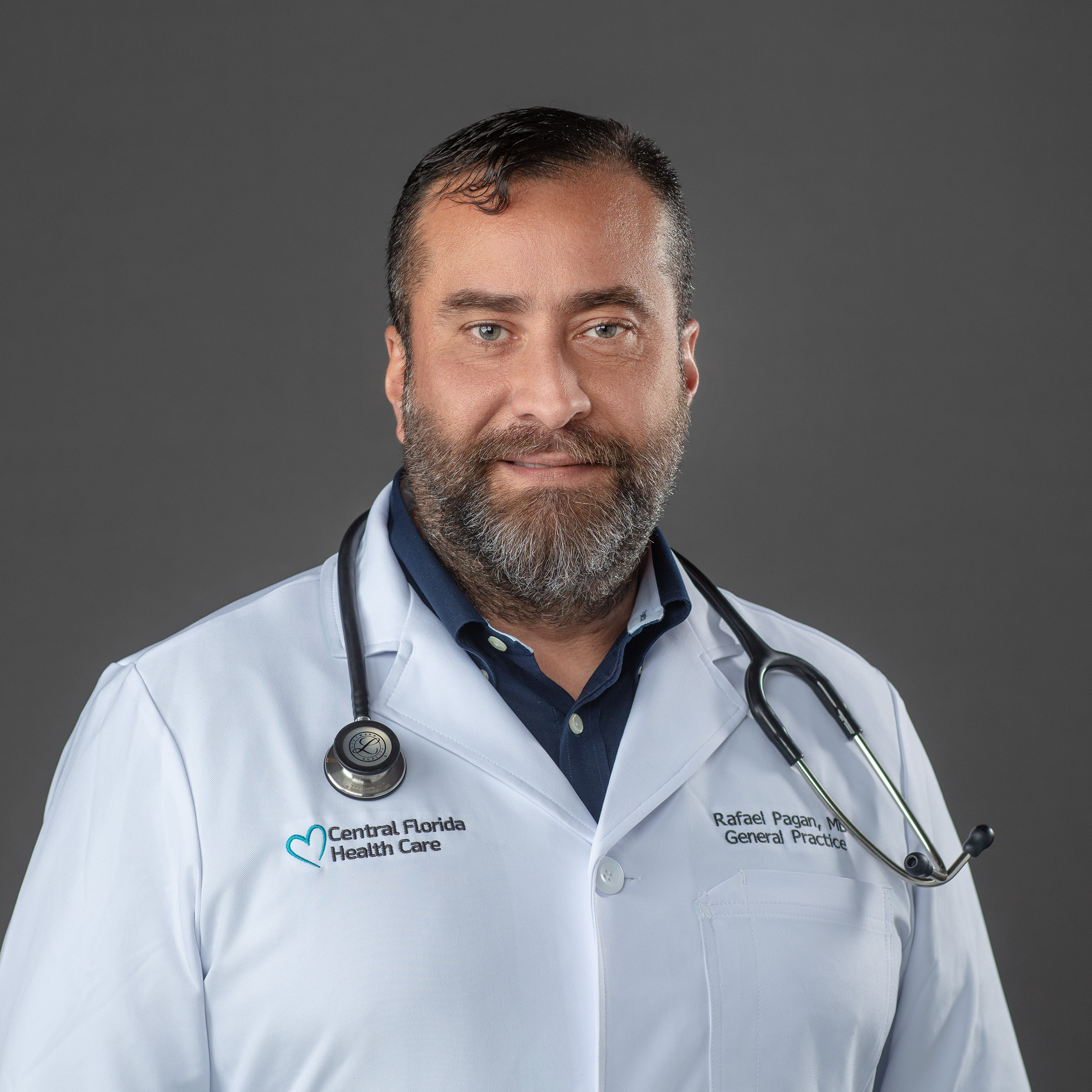
It’s time for men to check in on their health. Between work, family, hobbies, and everything else on the calendar, it can be easy to put your own well-being last. But taking care of your health is one of the most important things you can do for yourself and the people who count on you.
Central Florida Health Care’s Dr. Rafael Pagan Medina says, if you have not seen your clinician this year, now is a good time to schedule a visit. Regular checkups can help catch concerns early, answer questions, and give you a clearer picture of your overall health.
Here are a few important reminders about men’s health, including mental health, prostate cancer awareness, and testicular cancer awareness.
Mental Health Matters: Men are often encouraged to stay tough and keep their feelings to themselves, but mental health is just as important as physical health. In the United States, men die by suicide at about four times the rate of women, yet many men are less likely to be diagnosed or seek support for depression and other mood disorders. Stigma can make it harder to speak up, but asking for help is a sign of strength. Honest conversations with loved ones and health care providers can make a real difference.
Some signs that someone may be struggling with a mental health condition include:
Prostate Cancer Awareness: Prostate cancer is one of the most common cancers affecting men. About 1 in 8 men will be diagnosed with it during their lifetime, and the average age at diagnosis is about 67. Risk can vary based on age, family history, and race. Black men and men of African ancestry face a higher risk, which makes awareness and conversations with a provider especially important.
Talk with your clinician about when screening should begin for you. Men at increased risk, including those with a family history of prostate cancer or African ancestry, are often advised to start the conversation around age 45. For many other men, that discussion begins around age 50. Screening decisions should be made together with your provider based on your personal risk factors, overall health, and preferences.
Testicular Cancer Awareness: Testicular cancer is less common than some other cancers, but it most often affects younger and middle-aged men. In the United States, nearly 10,000 men are expected to be diagnosed each year, and the average age at diagnosis is about 33. Although the reasons are not fully understood, rates have increased over time, which is why knowing the signs and risk factors matters.
Risk factors that may raise the chance of testicular cancer include:
There is no standard screening test recommended for testicular cancer for everyone, but it is still a good idea to pay attention to your body. A monthly self-check in a warm shower can help you notice any changes, such as a lump, swelling, or heaviness. If something does not feel right, contact your provider for an evaluation. Central Florida Health Care is here to support your best health every step of the way.
 English
  Spanish